
The Allure of Risk: Understanding the Thrill of Gambling
The psychology behind casino gambling often centers around the allure of risk and the thrill that comes with it. Many individuals are drawn to the uncertainty of outcomes, which provides an adrenaline rush and an escape from the mundane realities of everyday life. This sense of excitement can become addictive, as players seek to recreate the euphoria of a big win by enjoying bitcoin casinos, leading them to spend more time and money in pursuit of that elusive high.
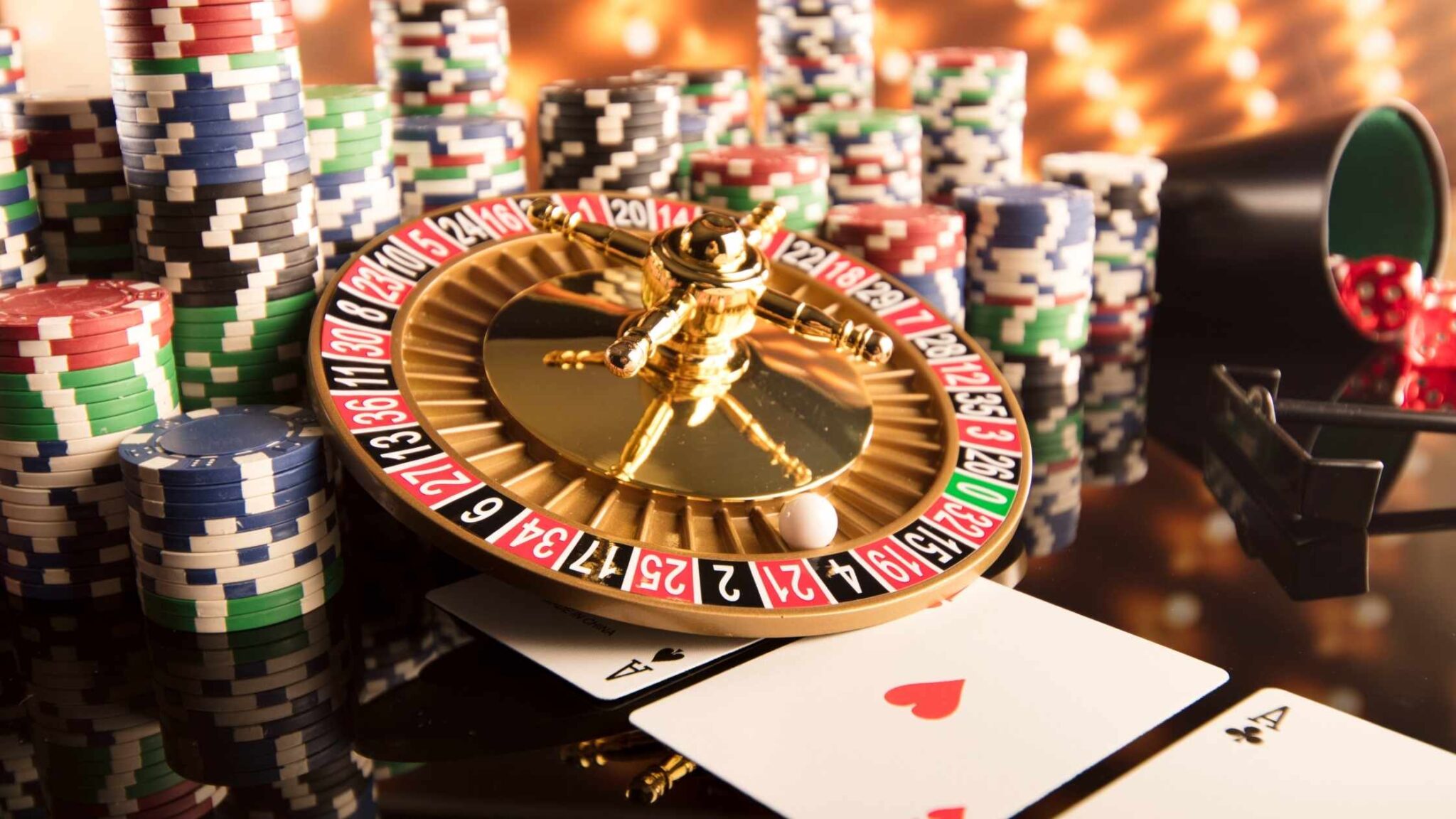
Moreover, the environment of a casino is carefully crafted to enhance this experience. Bright lights, enticing sounds, and free drinks create a sensory overload that heightens the emotional stakes of gambling. Players often feel a heightened sense of arousal, which can cloud judgment and lead to impulsive decisions, making it easy to overlook the potential risks involved.
Cognitive Biases and Gambling Behavior
Cognitive biases play a significant role in shaping gambling behavior. One of the most common biases is the illusion of control, where gamblers believe they can influence the outcome of a game when, in reality, it is purely based on chance. This psychological misjudgment can lead players to engage in gambling behaviors they might otherwise avoid, as they become convinced that their skills or strategies can lead to success.
Another prevalent bias is the gambler’s fallacy, the belief that past events influence future outcomes. For instance, if a player has experienced a series of losses, they may feel that a win is “due,” prompting them to continue gambling despite mounting losses. These cognitive biases contribute to a cycle of behavior that can lead to problem gambling, as individuals fail to recognize the randomness involved in games of chance.
The Impact of Social Dynamics on Gambling
Social dynamics also play a crucial role in gambling behavior. Casinos often leverage the social aspects of gaming to encourage participation. For example, table games foster interaction among players, creating a communal atmosphere that enhances the gambling experience. Individuals may feel pressured to conform to group behavior, which can lead them to gamble more than they initially intended.
Additionally, the influence of peers and social circles can encourage gambling as a form of entertainment. Friends and family who frequent casinos can normalize this behavior, making it seem more acceptable and less risky than it might truly be. As social validation becomes intertwined with gambling activities, individuals may overlook the potential for negative consequences, further entrenching them in the culture of gambling.
The Role of Emotion in Gambling Decisions
Emotions play a pivotal role in gambling decisions, often guiding players’ actions more than rational thought. People gamble not just to win money but also to escape negative emotions such as stress, anxiety, or boredom. This emotional motivation can lead players to seek out gambling as a coping mechanism, which can be detrimental in the long run.
Furthermore, the highs and lows of gambling can lead to intense emotional experiences. Winning can result in feelings of euphoria, while losing often brings about regret and disappointment. This rollercoaster of emotions can create a dependency on gambling to regulate mood, making it challenging for individuals to recognize when their behavior has turned into a problem.
Conclusion and Support Resources
Understanding the psychology behind casino gambling behavior is essential for recognizing the factors that influence gambling decisions and the potential for addiction. The interplay between risk, cognitive biases, social dynamics, and emotional responses creates a complex landscape that many individuals navigate when engaging in gambling activities.
For those seeking to understand or overcome gambling-related challenges, support resources are available. Many organizations offer guidance and assistance to individuals struggling with problem gambling. It’s important for anyone involved in gambling to be aware of these psychological influences and to seek help when necessary, ensuring a healthier approach to gaming and entertainment.